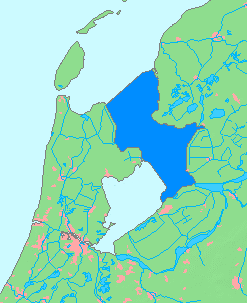
The Netherlands, a nation intricately defined by its relationship with water, boasts a vast artificial lake that serves as a cornerstone of its freshwater supply: the IJsselmeer. For many, especially those outside the Low Countries, a fundamental question arises: Is Het IJsselmeer Zoet Of Zout? The answer, firmly and unequivocally, is zoet – fresh. But its journey to becoming one of Europe's largest freshwater lakes is a compelling tale of engineering prowess, ecological transformation, and ongoing hydrological management, making it crucial for the survival and prosperity of a significant portion of the Netherlands.
Once a sprawling saltwater inlet known as the Zuiderzee, this immense body of water now functions as the Netherlands' primary freshwater reservoir, a vital "rain barrel" safeguarding against drought and salinization. Its transformation and current management exemplify the Dutch pioneering spirit in hydraulic engineering and environmental stewardship.
The Grand Transformation: From Salt Sea to Freshwater Lake
To truly understand the IJsselmeer's significance, one must delve into its dramatic past. Before 1932, what we now call the IJsselmeer was the Zuiderzee, a vast, dynamic inland sea connected directly to the North Sea. This saltwater body was famous for its rich fishing grounds, supporting vibrant coastal communities where eel and other saltwater fish thrived.
However, the Zuiderzee also posed significant risks. Its open connection to the sea made it vulnerable to devastating storm surges, which repeatedly caused catastrophic floods in the low-lying surrounding areas. The solution, born out of necessity and ambition, was the monumental Afsluitdijk (Enclosure Dam).
Completed on May 28, 1932, the 32-kilometer-long Afsluitdijk effectively sealed off the Zuiderzee from the Wadden Sea (which remained salt and connected to the North Sea). This engineering marvel marked the birth of the IJsselmeer. While the physical separation was immediate, the hydrological transformation was gradual. Initially, the newly enclosed lake was still salty, a relic of its maritime past.
However, with the constant influx of freshwater, primarily from the river IJssel (a major distributary of the Rhine), and no new saltwater entering, the composition of the lake water began to change. Within approximately two years, by 1934, the water had transitioned from salty to brackish, and then to virtually entirely fresh. By late 1937, it was officially recognized as a fully freshwater lake. A new biological equilibrium, adapted to the freshwater environment, was subsequently established around mid-1939, signifying a complete ecological overhaul. This dramatic shift highlights the profound impact of human intervention on natural systems, creating entirely new aquatic habitats and paving the way for a different kind of biodiversity.
The IJsselmeer's Freshwater Machine: How It Works
The IJsselmeer is not merely a static body of water; it's a dynamic, actively managed freshwater system crucial for maintaining ecological balance and supporting human activity across a vast region. Its water management is a finely tuned operation, balancing inflow, storage, and outflow.
The primary source of the IJsselmeer's freshwater is the IJssel River, which itself carries a substantial volume of water originating from the mighty River Rhine. A lesser but still important contribution comes from the Overijsselse Vecht. The neighboring Markermeer, another large freshwater lake separated from the IJsselmeer by dikes, plays a relatively minor and seasonal role in water exchange; it receives water from the IJsselmeer in summer and contributes a small percentage in winter.
Managing the IJsselmeer's water levels is a critical task, adapted to seasonal demands. During the summer months, the lake's water level is maintained 20 centimeters higher than in winter (at -0.20m NAP compared to -0.40m NAP, where NAP is the Amsterdam Ordnance Datum, roughly equivalent to sea level). This higher summer level is vital because it coincides with periods of lower river inflow and significantly increased demand for freshwater. Agriculture, in particular, requires vast quantities of water for irrigation, and the flushing of canals to combat salinization in the low-lying polders of North-West Netherlands becomes paramount.
Excess water is carefully discharged into the Wadden Sea through two sophisticated sluice complexes: the Stevinsluizen near Den Oever and the Lorentzsluizen at Kornwerderzand. This discharge typically occurs during low tide (eb), when the water level in the Wadden Sea is lower than in the IJsselmeer, allowing gravity to assist the process. This controlled release prevents flooding and maintains optimal water levels within the lake.
Beyond simply storing and releasing water, the IJsselmeer acts as a central distribution hub. A prime example is the inlet at Lemmer, which channels freshwater into Friesland and Groningen. This freshwater is indispensable for agricultural irrigation, for replenishing groundwater, and crucially, for flushing saltwater from drainage systems, protecting fertile farmland from the insidious effects of salinization. For a deeper dive into the specific characteristics of its water, consider reading Is the IJsselmeer Fresh or Salt? Unveiling its Hydrological Secrets.
A Lifeline for the Netherlands: The IJsselmeer's Crucial Freshwater Functions
The existence of the IJsselmeer as a vast freshwater reserve underpins several critical functions that are indispensable for the Netherlands:
- Agriculture: The fertile lands of North-West Netherlands are heavily reliant on freshwater from the IJsselmeer. This water irrigates crops, sustains livestock, and ensures the productivity of one of the world's most intensive agricultural sectors. Without this reliable supply, food production would be severely hampered, impacting both the national economy and global food security.
- Drinking Water Supply: Millions of Dutch citizens depend on the IJsselmeer as a source of clean drinking water. Water treatment facilities, such as the one near Andijk, draw water directly from the lake, processing it to meet stringent quality standards. This strategic freshwater reservoir ensures a robust and resilient drinking water supply, even during periods of drought.
- Combating Salinization: With much of the Netherlands lying below sea level, saltwater intrusion (salinization) is a constant threat. Seawater can seep into groundwater and canals, particularly in coastal and polder areas, making land infertile and damaging infrastructure. The IJsselmeer's freshwater is actively used to flush these systems, pushing back the encroaching saltwater and preserving the quality of agricultural land and vital ecosystems. This ongoing battle against salinization is crucial for maintaining the liveability and economic viability of large parts of the country.
- Nature and Biodiversity: While initially a major ecological shift, the freshwater IJsselmeer has developed its own unique ecosystem, supporting various fish species, birds, and aquatic plants. Its extensive reed beds and shallow areas are important habitats for migratory birds and contribute to the overall biodiversity of the region.
In essence, the IJsselmeer acts as the country's hydraulic heart, pumping lifeblood – in the form of freshwater – to where it is needed most, supporting an advanced society in a challenging geographical location.
Navigating the Future: Challenges and Sustainable Solutions
Despite its ingenious design and crucial role, the IJsselmeer's freshwater function faces increasing pressure, primarily due to climate change and evolving environmental demands. The question of Is Het IJsselmeer Zoet Of Zout remains central, but the challenge now is keeping it fresh.
One of the most significant threats is prolonged drought. As climate change leads to more frequent and severe dry spells, river discharge into the IJsselmeer decreases. This means less freshwater inflow to replenish the lake. Simultaneously, higher summer temperatures increase evaporation from the lake's surface and boost demand for irrigation. This imbalance can lead to dangerously low water levels and, critically, an increased risk of salinization.
The complex near Den Oever, where the Afsluitdijk meets the land, is a particular vulnerability. During periods of low freshwater outflow and high tides in the Wadden Sea, saltwater can inadvertently intrude into the IJsselmeer through the sluices, especially if they need to be opened for shipping or if there are strong westerly winds pushing the sea water. This saltwater intrusion, even if minor, can begin to raise the salinity of the lake, impacting its delicate freshwater ecosystem and compromising its utility as a drinking water source.
To safeguard this vital resource, the Netherlands is continually investing in advanced monitoring and management strategies. This includes:
- Enhanced Monitoring: Real-time salinity measurements and hydrological models provide crucial data, allowing water authorities (like Rijkswaterstaat) to predict and respond to potential threats.
- Optimized Sluice Management: Sophisticated operational protocols for the Stevinsluizen and Lorentzsluizen minimize saltwater intrusion while still allowing for necessary drainage. Innovative solutions, such as the development of fish passages and new pumping stations, are also being explored and implemented.
- Water Conservation: Encouraging more efficient water use in agriculture, industry, and households helps reduce overall demand, taking some pressure off the IJsselmeer.
- Strategic Water Storage: Exploring additional regional freshwater storage options and improving the national water network to distribute water more effectively during shortages.
- Climate Adaption Research: Investing in research to understand future climate scenarios and develop long-term resilient water systems, including exploring novel ways to create freshwater buffers or adjust water levels.
The story of the IJsselmeer is a testament to human ingenuity in adapting to and shaping the natural environment. However, its future is inextricably linked to the global challenge of climate change, demanding continuous vigilance, innovation, and international cooperation to ensure its enduring role as a freshwater stronghold.
In conclusion, the answer to Is Het IJsselmeer Zoet Of Zout is a resounding zoet, a testament to a remarkable feat of engineering and ongoing commitment to water management. This colossal freshwater lake, born from a former sea, is far more than just a body of water; it is the beating heart of the Netherlands' freshwater supply. It nourishes crops, quenches thirst, and defends against the ever-present threat of saltwater, underpinning the nation's economy and ecological well-being. As climate challenges intensify, the continuous innovation and careful stewardship of the IJsselmeer will remain paramount, ensuring this crucial resource continues to serve future generations.