Is the IJsselmeer Fresh or Salt? Unveiling its Hydrological Secrets
The question of whether the IJsselmeer, the Netherlands' largest lake, contains fresh or salt water is a common one, especially for those interested in its unique history and vital role in Dutch water management. The simple answer today is that the IJsselmeer is definitively a
freshwater lake. However, its journey to becoming the vast expanse of sweet water we know today is a captivating tale of human ingenuity, ecological transformation, and ongoing hydrological management. For centuries, the area now occupied by the IJsselmeer was a dynamic saltwater inlet of the North Sea, but a monumental engineering feat changed its very nature forever.
From Salt Sea to Sweet Lake: The Zuiderzee's Transformation
To truly understand the IJsselmeer's current state, we must first look back to its origins. Before 1932, this sprawling body of water was known as the
Zuiderzee – literally "Southern Sea." The Zuiderzee was an expansive inner sea, formed centuries earlier when the North Sea breached coastal defenses, eventually connecting with the ancient Almere (or Flevomeer, as the Romans knew it) in the early 13th century. As a saltwater environment, it teemed with marine life and supported a thriving fishing industry based on saltwater species.
The vision to tame this often-treacherous sea and reclaim land for the growing Dutch population had been debated for centuries. It culminated in the ambitious Zuiderzee Works project. The pivotal moment arrived on May 28, 1932, with the completion of the
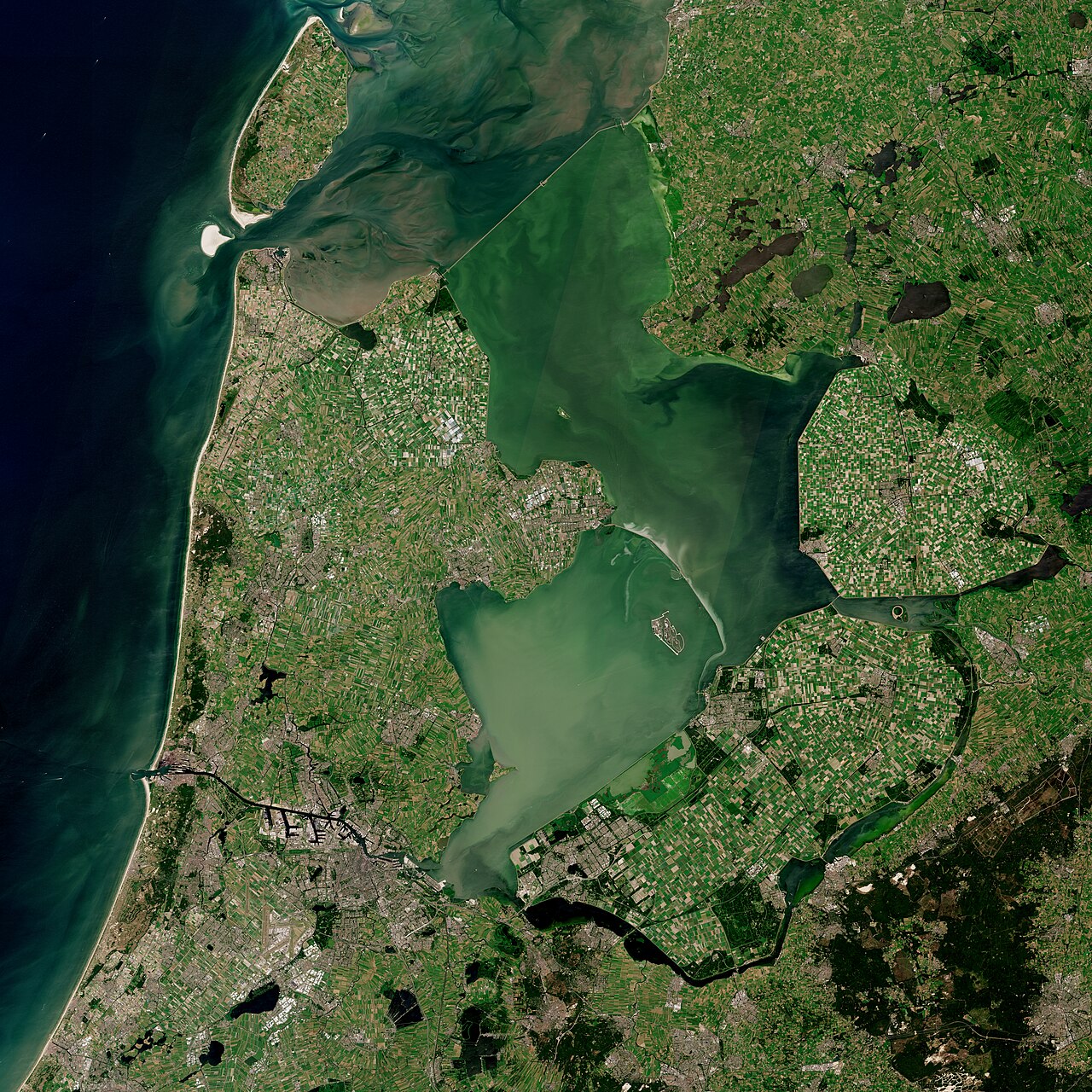
Afsluitdijk (Enclosure Dam). This monumental 32-kilometer-long dam effectively cut off the Zuiderzee from the Wadden Sea and, consequently, the North Sea. The area beyond the dam became the Wadden Sea, while the enclosed part was officially renamed the IJsselmeer on September 20, 1932, taking its name from the River IJssel, one of its primary freshwater sources.
Initially, after the closure, the IJsselmeer remained a body of saltwater. However, with its connection to the sea severed, a dramatic hydrological shift began. The constant inflow of freshwater from rivers like the IJssel (a major distributary of the Rhine) and, to a lesser extent, the Overijsselse Vecht, gradually began to dilute the trapped seawater. Within approximately two years, by 1934, the lake had become predominantly brackish before transitioning almost entirely to freshwater. By late 1937, it was officially considered a fully freshwater lake, and a new biological equilibrium, suited to its sweet water environment, was established by mid-1939. This remarkable transformation meant a complete shift in its ecosystem, giving rise to new freshwater flora and fauna. To delve deeper into this incredible journey, you can read more about
From Salt Sea to Fresh Lake: The IJsselmeer's Transformation Story.
The IJsselmeer's Vital Water Management System
The IJsselmeer is far more than just a large lake; it is a cornerstone of Dutch water management and a strategic freshwater reservoir for a significant part of the Netherlands. Its sophisticated water management system ensures a delicate balance between inflow, outflow, and storage, serving multiple critical functions.
Sources and Supply
The lake's primary freshwater supply comes from the River IJssel, which itself carries water predominantly from the mighty River Rhine. The Overijsselse Vecht also contributes, though to a lesser extent. While the Markermeer, a separate lake to the south, is part of the broader IJsselmeer area, its role in directly feeding the IJsselmeer is relatively small; in winter, about 6% of the inflow originates from the Markermeer, but in summer, there is a net discharge *from* the IJsselmeer *to* the Markermeer, highlighting a dynamic interrelationship between the two.
Outflow and Distribution
Managing the water level within the IJsselmeer is crucial. Excess water is discharged into the Wadden Sea through two major sluice complexes along the Afsluitdijk: the
Stevinsluizen near Den Oever and the
Lorentzsluizen near Kornwerderzand. This discharge, known as 'spuien,' is strategically performed during ebb tide when the water level in the Wadden Sea is lower than that in the IJsselmeer, allowing for efficient gravity drainage.
Beyond discharge, the IJsselmeer plays a crucial role in supplying freshwater to surrounding provinces. At locations like Lemmer, water is drawn to supply Friesland and Groningen for various purposes. This precious freshwater is indispensable for:
- Agriculture: Irrigation for crops, supporting the robust Dutch agricultural sector.
- Combating Salinization: Flushing canals and polders to prevent saltwater intrusion into valuable agricultural land, especially in low-lying areas.
- Drinking Water: Providing a source for drinking water facilities, such as the one near Andijk, crucial for urban populations.
This multi-faceted role underscores why
IJsselmeer: Why This Dutch Lake is Crucial for Freshwater Supply is a topic of such national importance.
Seasonal Water Levels
The water level of the IJsselmeer is carefully regulated throughout the year to optimize its functions.
- Summer Level: During the summer months, the water level is maintained at approximately 0.20 meters below NAP (Normaal Amsterdams Peil – Amsterdam Ordnance Datum). This relatively higher level is critical because, paradoxically, rivers often carry less water during dry summer periods, while the demand for freshwater for irrigation and flushing against salinization in polders across Northwest Netherlands is at its peak.
- Winter Level: In winter, the water level is lowered to about 0.40 meters below NAP. This provides additional storage capacity to accommodate heavy rainfall and increased river discharge, preventing flooding in surrounding areas.
This precise regulation highlights the advanced water management strategies employed by Rijkswaterstaat, the Dutch Directorate-General for Public Works and Water Management.
The IJsselmeer: A "Regenton" for the Netherlands
The reference context describes the IJsselmeer as a kind of "regenton" – a rain barrel – for the Netherlands, and this analogy perfectly captures its strategic importance. It collects freshwater from major rivers and distributes it where and when needed, functioning as a buffer against both drought and flooding. This engineering marvel has not only provided invaluable land through subsequent polder projects (like the Noordoostpolder and Flevoland) but has also reshaped the ecological landscape and economy of the region.
The shift to a freshwater environment spurred the development of new freshwater ecosystems. Fish species like perch, pike-perch, and bream now thrive, supporting a freshwater fishing industry. The lake also became a vital stopover and breeding ground for numerous bird species. This new biological equilibrium demonstrates how large-scale hydrological interventions can lead to entirely new, albeit managed, natural habitats.
Challenges and the Future of the IJsselmeer
Despite its successful management, the IJsselmeer faces significant challenges, particularly concerning its freshwater function in the face of climate change. The core issue is the increasing pressure on its ability to maintain its freshwater quality and supply.
The Threat of Salinization
One of the most pressing concerns is the risk of salinization. While the IJsselmeer is a freshwater lake, it is not immune to saltwater intrusion. During prolonged periods of drought, when freshwater inflow from rivers is significantly reduced, the water level in the IJsselmeer drops. Simultaneously, the demand for freshwater for irrigation and flushing increases, further straining the reservoir. Critically, at the sluice complexes in the Afsluitdijk, particularly near Den Oever, seawater can intrude into the lake. This inward leakage of salt water, combined with reduced dilution from rivers, can lead to an increase in the lake's overall salinity, threatening its ecological balance and its function as a reliable source of freshwater for agriculture and drinking. This is precisely the kind of problem the Dutch are actively monitoring, with organizations like Rijkswaterstaat continuously taking "Zoutmetingen IJsselmeer" (salt measurements) to track the situation.
Climate Change and Extreme Weather
Climate change exacerbates these challenges. Increased frequency and intensity of extreme weather events, such as prolonged droughts and heavy rainfall, directly impact the IJsselmeer's water balance. Longer dry spells will intensify the risk of salinization and water scarcity, while heavier rainfall events will test its capacity for flood control, requiring even more sophisticated and adaptive management strategies.
The future of the IJsselmeer lies in continued innovation and careful stewardship. This includes investing in infrastructure upgrades, optimizing sluice operations, exploring alternative freshwater sources, and implementing robust monitoring systems to detect and mitigate salinization early. The ongoing commitment to maintaining this vital resource reflects the deep connection the Netherlands has with water and its unwavering dedication to safeguarding its precious freshwater supply for future generations.
Conclusion
So, to answer the initial question,
Is Het IJsselmeer Zoet Of Zout? The IJsselmeer is unequivocally a vital freshwater lake, a testament to Dutch engineering and environmental management. Its transformation from the saltwater Zuiderzee into the largest freshwater reservoir in the Netherlands is a compelling narrative of human interaction with nature. Today, it serves as an indispensable "rain barrel," supplying freshwater for agriculture, combating salinization, and providing drinking water to millions. However, as climate change brings new pressures, particularly the looming threat of salinization during droughts, the challenges facing the IJsselmeer are evolving. Its continued existence as a freshwater lifeline will depend on sustained vigilance, innovative solutions, and a proactive approach to water management, ensuring this hydrological marvel remains sweet for centuries to come.